
CHIFFON FABRIC
A Chiffon, is made out of pure raw silk yarn. Chiffon is basically very soft and light in weight with even wrinkles for which chiffon is famous for. Chiffon Silk fabric are used in all kind of fashion wears like Sarees, Tops, Kurtis, Dupatta, Scarves, Head mask, etc.
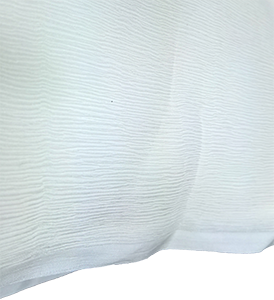
A chiffon is basically very light in weight and has very less transparency on the fabric. Generally these kinds of lightweight fabrics are used in sarees, dupatta, churidar, silk tops, scarf,etc.
It is basically very light in weight and has very less transparency on the fabric. Generally these kinds of lightweight fabrics are used in sarees, dupatta, churidar, silk tops, scarf,etc.
As this fabric is very light in weight hence makes it very comfortable to wear and also give the luxury feel of “Silk”
Being in this field of manufacturing Dhondaley Enterprises have mastered in the manufacturing all kinds of silk fabrics. They have the best quality control systems which make the fabric zero defect free which hence matches the ISO.
Chiffon fabric is best manufactured using 100% pure silk yarn which gives you the antic touch and feel of how a real silk chiffon should be and its real rich feel of silk.
It is at Dhondaley where you get to know what exactly is pure silk chiffon. Being as a manufacturer of chiffon silk fabric, we at “Dhondaley” always assure you “The promise of Quality” where every bit of fabric is made from 100% pure silk.
As the moto of the “Dhondaley” is ” The promise of quality ” it is assure that you are getting the be quality for all the kinds of silk fabrics that we manufacturing.
Chiffon silk Fabric is one of the best silk fabric which can used for all kinds dress. Chiffon fabric is best know for its even wrinkles on the fabric for which it famous for.
We are one of the leading manufacturers for all kinds of pure silk fabrics in Bangalore – (India).
Chiffon Silk Fabric : Properties, Uses, Manufacturing & Quality Guide
Chiffon silk fabric is one of the most delicate and elegant textiles used in the fashion and garment industry. Known for its lightweight feel, soft drape, and slightly sheer appearance, silk chiffon has remained a preferred fabric for fashion houses , Sarees Designer and buyers across the world.
Chiffon Silk fabric has its own feel that blends very well in all type of designer garments accorss all the fashion house. It has all its touch and feel that makes it very much sutiable for human skin.
At Dhondaley, we manufacture premium-quality chiffon fabric using carefully selected silk that is treated at the earliest stage with skin-friendly, textile-grade processes. This precise treatment helps the silk develop its natural properties, enhancing both the silk blend and the yarn texture. The result is a chiffon fabric with an exceptionally smooth finish, offering a soft, luxurious feel and touch that meets international quality standards.
What Is Chiffon Silk Fabric?
Silk chiffon is a lightweight, plain-woven fabric made from high-twist silk yarns. The tight twisting of the yarns gives chiffon its signature slightly crinkled texture, graceful fluid drape, and soft transparency. Because of these qualities, silk chiffon is widely used for sarees, dupattas, and high-fashion garments.
The transparency of chiffon fabric depends largely on its weight. Lighter qualities, such as 26 GSM and 32 GSM, offer a more sheer and airy appearance, while medium to heavier weights like 40 GSM, 50 GSM, and 60 GSM provide increased coverage and structure. As the fabric weight increases, transparency gradually reduces, allowing designers and fashion houses to select the ideal chiffon quality based on the intended design, drape requirement, and end-use application.
How Chiffon Silk Fabric Is Manufactured ?
Silk Chiffon Manufacturing Process
The manufacturing of silk chiffon fabric demands a high level of precision, technical expertise, and process control. At Dhondaley, every stage—from raw silk to finished fabric—is managed under strict quality control standards, ensuring consistent performance and premium fabric quality.
Key Stages in Making Perfect Silk Chiffon
1. Grading of Silk Cocoons
The process begins with careful grading of silk cocoons based on size and quality. Proper cocoon selection ensures uniform silk filament output, which directly impacts the consistency and strength of the silk yarn.
2. Yarn Thickness Selection (GSM-Based)
The thickness of the silk yarn is determined by the fabric quality required by the buyer. Chiffon silk is produced in various weights ranging from 26 GSM to 60 GSM, allowing flexibility for different levels of transparency, drape, and end use.
3. Yarn Quality Grading
After reeling, the silk yarn is further graded for quality, uniformity, and strength. This step ensures that only yarn meeting the required specifications is used for weaving chiffon fabric.
4. Winding, Twisting, and Weaving
Processes such as winding, twisting, and weaving are time-intensive and must be executed with precision. The twist consistency of the yarn plays a critical role in achieving chiffon’s characteristic texture, fluid drape, and softness. Each stage is completed over a controlled duration to maintain fabric integrity.
Post-Weaving Fabric Processing
5. Controlled Washing
Once woven, the fabric undergoes industry-standard controlled washing. This process removes residual chemicals used during yarn preparation and weaving, ensuring the fabric is clean, stable, and suitable for future dyeing or printing applications.
6. RFD (Ready for Dyeing) Preparation
At Dhondaley, silk chiffon fabrics and silk sarees are supplied exclusively in RFD (Ready for Dyeing) condition. Dyeing or printing is carried out by buyers or design houses according to their specific requirements. All fabrics are prepared to meet professional dyeing standards.
7. Finishing for Softness and Feel
Final finishing processes are performed at the RFD stage to enhance softness, smoothness, and hand feel, while maintaining the natural properties of silk chiffon.
Quality Determinants of Silk Chiffon Fabric
The overall quality of chiffon silk fabric depends heavily on:
-
Silk cocoon and yarn quality
-
Yarn twist consistency
-
Precision in weaving
-
Expertise in washing and finishing
Each of these elements must work in harmony to produce silk chiffon that meets the expectations of fashion houses, designers, and premium textile buyers.
Key Properties of Chiffon Silk Fabric
Silk chiffon is valued for its refined balance of lightness, softness, and durability. The following properties make it one of the most preferred fabrics in fashion and traditional wear:
Lightweight
Silk chiffon is extremely light in weight, typically ranging from 32 GSM to 40 GSM, making it ideal for warm and humid climates. The fabric feels naturally cool on the skin and offers an elegant, graceful drape.
Soft & Flowing
The fabric has an exceptionally soft hand feel with a smooth, flowing drape. This makes silk chiffon especially suitable for sarees, dupattas, and layered fashion garments where movement and fluidity are essential.
Sheer Appearance
Chiffon silk offers a delicate, elegant transparency without stiffness. Lighter qualities such as 32 GSM and 40 GSM chiffon provide a soft, airy look while maintaining comfort and flexibility.
Breathable
Made from natural silk fibers, chiffon allows proper airflow, helping regulate body temperature and ensuring comfort during extended wear.
Strong for Its Weight
Despite its delicate appearance, well-crafted silk chiffon is surprisingly durable. Heavier qualities like 50 GSM and 60 GSM chiffon offer increased strength and longevity, making them suitable for garments designed to last for decades with proper care.
These properties make silk chiffon fabric suitable for both everyday wear and special occasions, meeting the requirements of fashion designers, textile buyers, and end users alike.
Common Uses of Chiffon Silk Fabric
Silk chiffon fabric is widely used across multiple fashion and textile segments due to its lightness, fluid drape, and elegant appearance. Common applications include:
Sarees and Dupattas
For dupattas, lighter qualities such as 32 GSM chiffon are preferred for their soft drape and airy feel. In the case of sarees, both 32 GSM and 40 GSM chiffon are suitable, depending on the desired level of transparency and fall.
Evening Gowns and Party Wear
Silk chiffon is commonly used in evening gowns and party wear where fluid movement, softness, and a graceful silhouette are essential.
Scarves and Stoles
The lightweight and breathable nature of chiffon silk makes it ideal for scarves and stoles, offering comfort along with a refined, elegant look.
Blouses and Tops
For blouses and tops, designers typically select 50 GSM or 60 GSM chiffon, as these heavier qualities provide better structure, durability, and shape retention while maintaining a soft hand feel.
Bridal and Couture Garments
In bridal and couture wear, lighter qualities such as 26 GSM chiffon are commonly used for veils, hand sleeves, and layered detailing. The higher transparency of this weight enhances elegance and creates a delicate bridal finish.
Layered Dresses and Fashion Accessories
Silk chiffon is widely used in layered dresses and fashion accessories, with the fabric weight chosen based on placement and design requirements. This allows fashion houses to customize transparency, volume, and movement according to their creative vision.
Because of its natural flow and elegance, silk chiffon is often layered or paired with other fabrics to create depth, volume, and graceful movement in garments.
How to Identify High-Quality Silk Chiffon
When sourcing silk chiffon fabric, quality can be evaluated using the following key parameters:
Evenness of Weave and Texture
Silk yarn is naturally delicate and can vary in denier. To achieve uniformity, strict process control is essential. At Dhondaley, every stage of production is carefully monitored to ensure consistent weave structure and even texture from the beginning to the end of the fabric length.
Consistent Transparency Across the Fabric
Transparency in chiffon silk is directly related to fabric weight, typically ranging from 32 GSM to 60 GSM. High-quality chiffon maintains uniform transparency throughout the fabric, without patchiness or irregular density.
Soft Yet Resilient Hand Feel
Premium silk chiffon should feel soft and smooth, while still retaining strength. Regardless of weight—whether 32 GSM, 40 GSM, 50 GSM, or 60 GSM—the fabric should offer a balanced combination of luxury softness and durability.
Uniform Dye and Print Absorption
Properly processed chiffon silk allows deep and even dye penetration. Due to controlled washing and preparation at the Dhondaley manufacturing facility, the fabric supports consistent dyeing, printing, and block printing, resulting in rich, long-lasting color absorption.
Minimal Surface Defects
Comprehensive quality inspection at every manufacturing stage helps minimize surface defects such as uneven yarns, slubs, or weaving inconsistencies. This ensures the fabric meets the expectations of fashion houses and premium textile buyers.
High-quality silk chiffon fabric retains its drape, softness, and texture even after repeated use and careful washing, making it suitable for long-term and high-end applications.
Care and Maintenance of Silk Chiffon Fabric
Proper care helps preserve the natural beauty, softness, and drape of silk chiffon fabric. Follow these guidelines to maintain the fabric in its original condition:
Gentle Washing or Dry Cleaning
Silk chiffon should be hand washed gently or professionally dry cleaned to maintain its original touch and feel. Always use detergents specifically formulated for silk fabrics. Harsh detergents can stiffen the fabric, reduce softness, and cause uneven patches. Avoid washing silk chiffon in salt water, as it can dull the natural shine and smoothness of the silk.
Dry in Shade Only
Always dry silk chiffon in a shaded, indoor environment. Direct sunlight can have a long-term impact on the color and strength of the fabric. Dry the fabric in a clean, dust-free area, as wet silk easily attracts airborne dust, which may lead to skin irritation and surface dullness. Shade drying helps the fabric retain its color, softness, and longevity.
Low-Temperature Steam Ironing
If ironing is required, use low-temperature steam ironing only. Steam helps remove uneven folds while preserving the fabric’s natural texture. Gently stretch the fabric or garment back to its original width before steaming. Avoid pressing the iron directly onto the fabric, as excessive heat can flatten the natural wrinkle effect that gives wrinkle silk chiffon its distinctive character.
Proper care and maintenance significantly extend the life, appearance, and performance of silk chiffon garments, ensuring they remain elegant and comfortable over time.
Why Source Chiffon Silk Fabric from an Experienced Manufacturer?
Working with an experienced silk fabric manufacturer plays a critical role in ensuring the final quality, consistency, and performance of chiffon silk fabric. Key advantages include:
Consistent Quality Across Batches
At Dhondaley, the entire production process—from weaving to RFD (Ready for Dyeing)—is handled in-house. This single-facility approach ensures uniform quality, controlled processes, and consistency across every batch of pure silk chiffon fabric.
Customization in Width, Weight, and Finish
An experienced manufacturer can offer customization options in fabric width, GSM, and finishing. Dhondaley maintains strict control over fabric width, weight, and finishing standards, with clear specifications listed across its product range to meet buyer and designer requirements.
Superior RFD Preparation and Finishing
High-quality chiffon silk depends heavily on proper RFD processing and finishing. Industry-standard washing and preparation ensure the fabric remains smooth, elegant, and dye-ready, allowing for consistent color absorption and superior end results during dyeing or printing.
Reliable Supply for Bulk and Repeat Orders
Long-term manufacturing expertise ensures supply reliability. Dhondaley has been regularly manufacturing silk chiffon fabrics—including 32 GSM, 40 GSM, 50 GSM, and 60 GSM qualities—since 1956, making it a dependable partner for bulk production and repeat orders.
Manufacturing expertise directly influences the look, feel, durability, and overall performance of chiffon silk fabric. Choosing an experienced manufacturer ensures long-term value, consistency, and confidence for fashion houses, designers, and textile buyers.
Chiffon Silk vs Other Lightweight Fabrics
Buyers often compare silk chiffon fabric with other lightweight textiles when selecting the right material for a specific dress or garment. While these fabrics may appear similar, they differ significantly in texture, weight, drape, transparency, comfort, and end use.
Pure Silk Chiffon vs Pure Silk Georgette
Both silk chiffon and silk georgette are made using high-twist silk yarns, yet their fabric behavior and applications differ:
-
Silk chiffon is lighter, softer, and more transparent, offering a fluid, airy drape with a naturally even wrinkle texture across the fabric
-
Silk georgette has a slightly grainier surface with more body and weight, making it less transparent than chiffon
-
Chiffon has a crinkled, textured appearance, while georgette appears flatter and more uniform on the surface
-
Chiffon creates a floating, delicate look, whereas georgette provides better structure and form
-
Silk chiffon is preferred for sarees, dupattas, veils, and layered garments, while silk georgette is commonly used for structured garments, designer sarees, and tailored silhouettes
Chiffon vs Crepe
Although chiffon and crepe are sometimes confused, their construction and performance are quite different:
-
Crepe fabric is denser, with a compact, fine weave and lower transparency
-
Silk chiffon is lighter, airier, and noticeably softer to the touch
-
Crepe offers greater durability and wrinkle resistance, while chiffon emphasizes elegance, movement, and flow
-
Crepe has a flatter, less transparent surface, whereas chiffon—even in higher weights—maintains a soft, airy appearance
-
Chiffon is ideal for draped and layered garments, while crepe suits defined shapes, structured designs, and everyday wear
Understanding these differences allows designers, fashion houses, and buyers to choose the right lightweight silk fabric based on design intent, garment structure, and end-use requirements.
-
Frequently Asked Questions About Chiffon Silk Fabric
Is chiffon silk fabric suitable for summer wear?
Yes. Silk chiffon fabric is lightweight and breathable, making it highly comfortable for warm and humid climates. Its natural airflow helps keep the body cool during extended wear.
Is silk chiffon fragile?
Although it appears delicate, high-quality silk chiffon is surprisingly strong for its weight. When handled and maintained properly, it offers long-lasting performance without compromising softness.
Can silk chiffon be dyed or printed?
Yes. Silk chiffon accepts dyes and prints exceptionally well due to its natural silk fiber structure. Properly prepared fabric ensures deep, even color penetration for dyeing, printing, and block printing.
What GSM options are available in silk chiffon?
Silk chiffon is available in multiple weights, commonly ranging from 26 GSM to 60 GSM. Lighter weights offer higher transparency, while heavier qualities provide more coverage and durability.
Does chiffon silk wrinkle easily?
Yes. Silk chiffon has a natural wrinkle texture, which is considered a key characteristic of the fabric. This texture enhances its elegance and flow rather than being a defect.
Is silk chiffon suitable for sarees and dupattas?
Absolutely. Silk chiffon is widely used for sarees, dupattas, and stoles due to its fluid drape, soft feel, and graceful movement.
Can silk chiffon be used for bridal wear?
Yes. Lighter qualities such as 26 GSM chiffon are ideal for bridal veils, hand sleeves, and layered details, offering a delicate and elegant appearance.
How should silk chiffon be stored?
Silk chiffon should be stored in a cool, dry place, away from direct sunlight. Using breathable fabric covers helps preserve its texture and color over time.
Does silk chiffon maintain its quality after washing?
With proper care, silk chiffon retains its softness, drape, and texture even after repeated gentle washing or professional dry cleaning.
Final Thoughts
Chiffon silk fabric continues to hold a strong position in the global textile and fashion industry due to its proven elegance, comfort, and long-term versatility. Its consistent use across sarees, dupattas, bridal wear, luxury garments, and designer collections reflects decades of trust placed in this fabric by designers, fashion houses, and textile buyers worldwide.
From an experience-driven perspective, silk chiffon has demonstrated reliable performance across climates, garment types, and usage conditions. Its lightweight nature, breathable structure, and fluid drape make it suitable for both everyday wear and high-value fashion applications, while its availability in multiple GSM options allows precise customization based on design intent.
From a technical and manufacturing standpoint, the quality of silk chiffon is directly influenced by yarn selection, twist control, weaving precision, washing discipline, and RFD preparation standards. Buyers who understand these factors are better equipped to evaluate fabric consistency, dye performance, durability, and long-term usability—reducing sourcing risks and ensuring predictable production outcomes.
Sourcing from an established and experienced manufacturer such as Dhondaley, which has been manufacturing silk fabrics since 1956, provides additional assurance of process maturity, quality consistency, and supply reliability. Long-standing manufacturing experience reflects accumulated knowledge, refined production systems, and adherence to industry standards that newer suppliers often lack.
In today’s competitive fashion and textile market, where material quality directly impacts brand reputation, high-quality silk chiffon remains a strategic fabric choice. When supported by transparent specifications, consistent production practices, and verified manufacturing expertise, silk chiffon becomes more than a design element—it becomes a trusted foundation for premium products and long-term business relationships.


The Best Manufacturer I have ever seen